


The Ultimate Guide: Selecting the Right Safety Footwear for Your Industrial Environment

👷♂️Introduction: Why Safety Footwear is Non-Negotiable
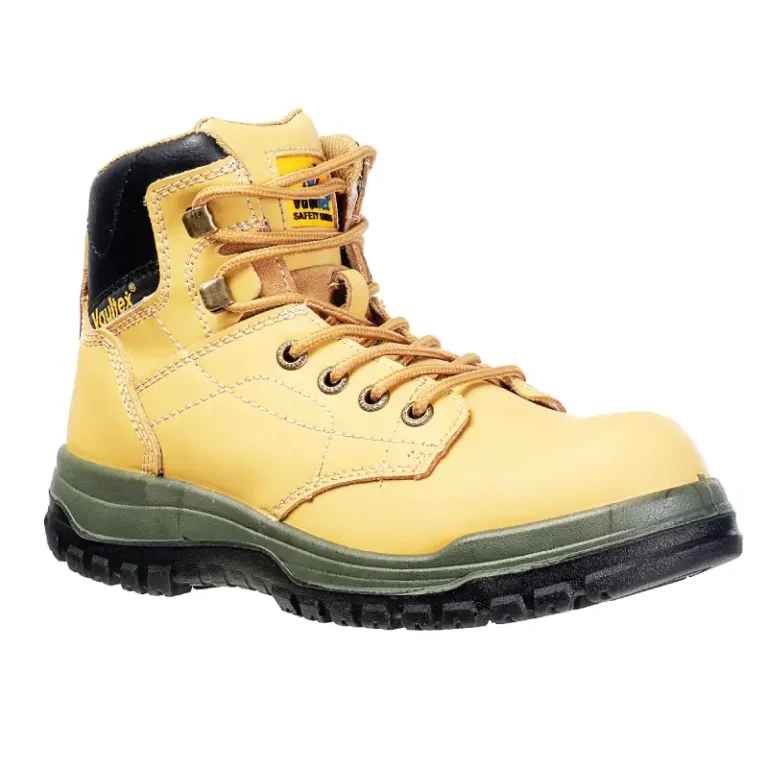
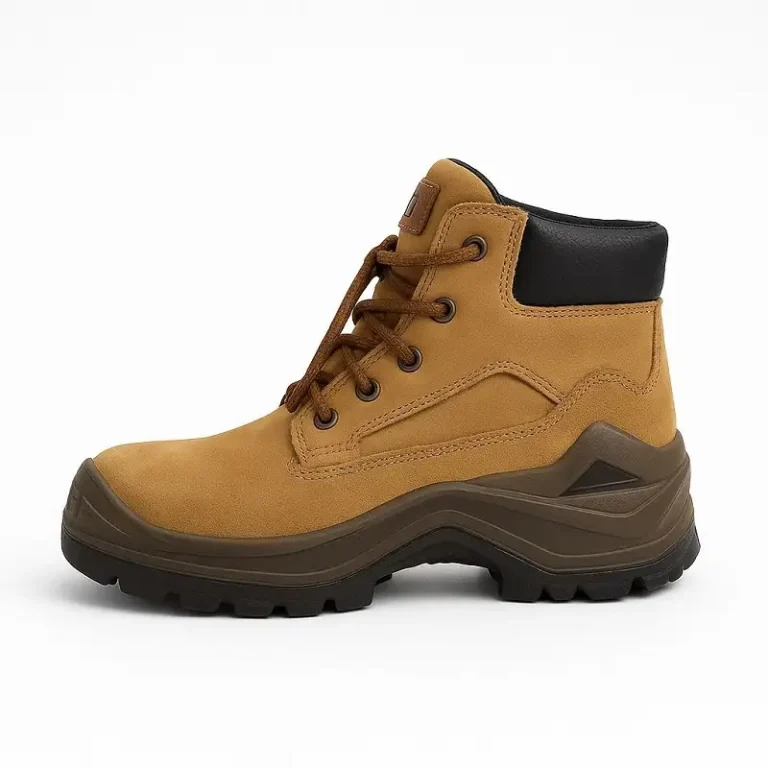
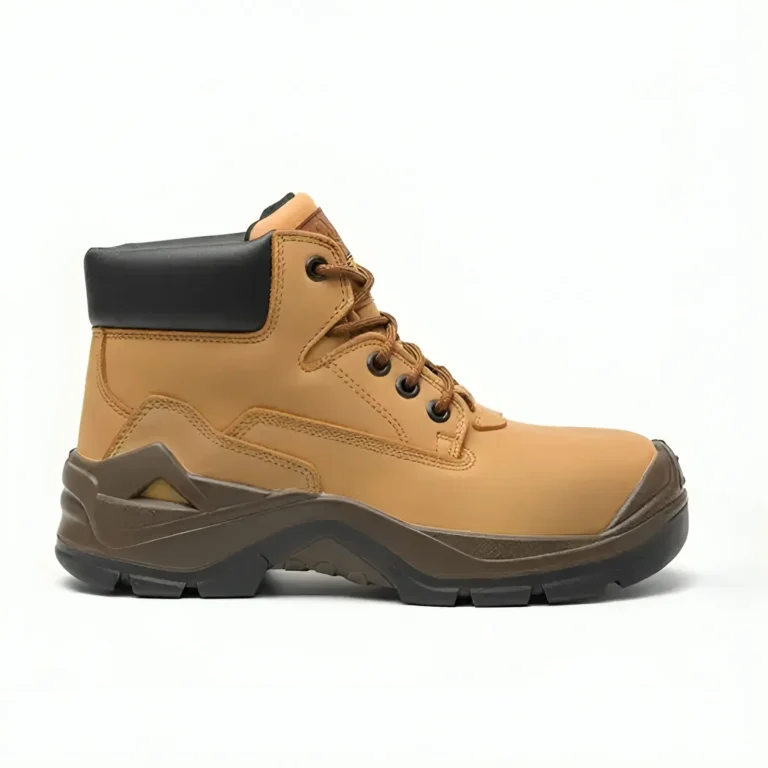
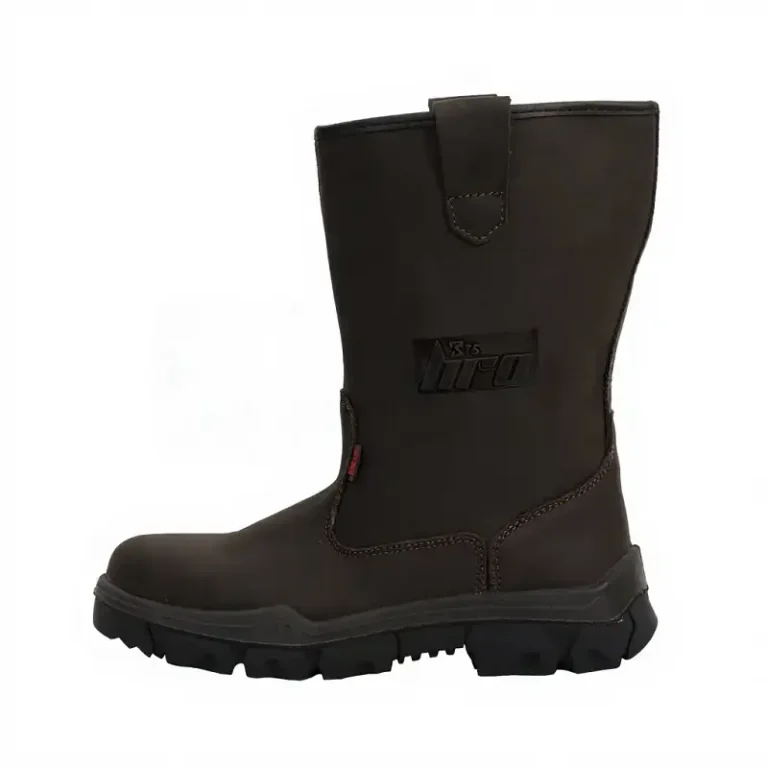
In high-risk occupational settings—from construction sites and manufacturing floors to demanding warehouses and specialized labs—Personal Protective Equipment (PPE) is paramount. Among all PPE, safety footwear holds a critical position. Foot and ankle injuries are among the most frequently reported workplace accidents. A modern safety boot is not merely heavy-duty; it is a highly engineered protective barrier designed to mitigate risks from impact, compression, punctures, slips, and electrical hazards.
Section I: Core Types of Safety Footwear and Their Protection Features
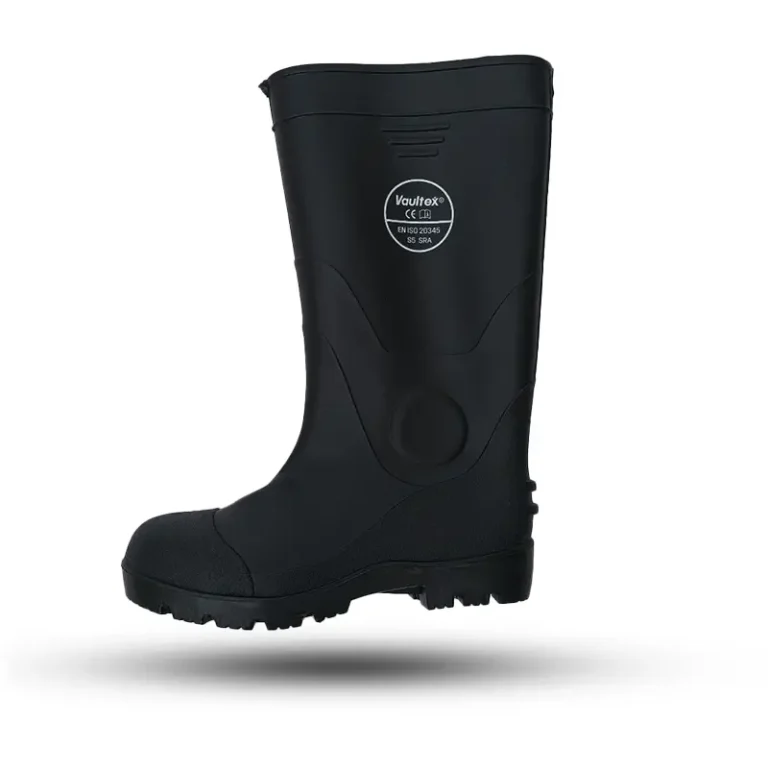
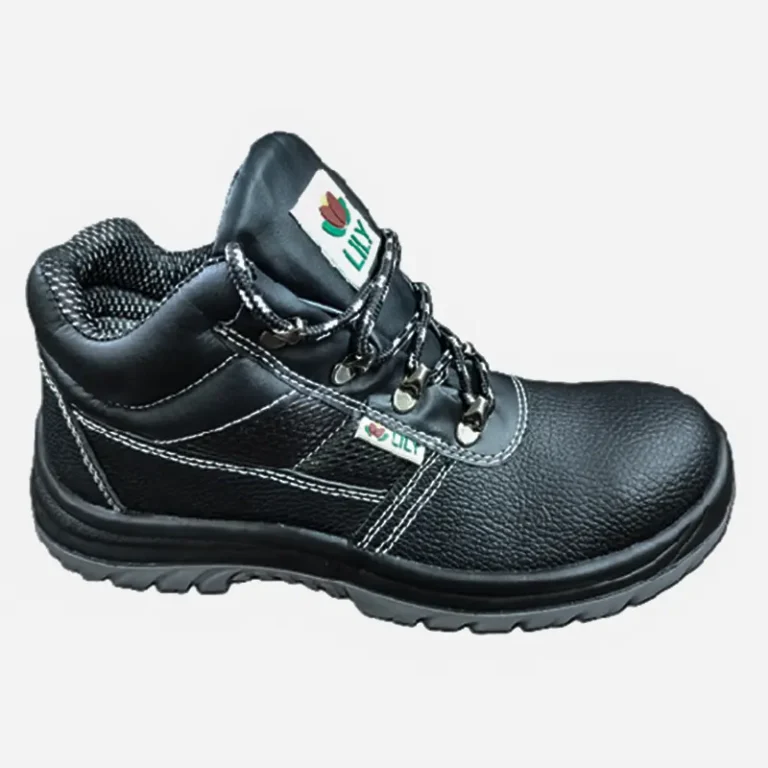
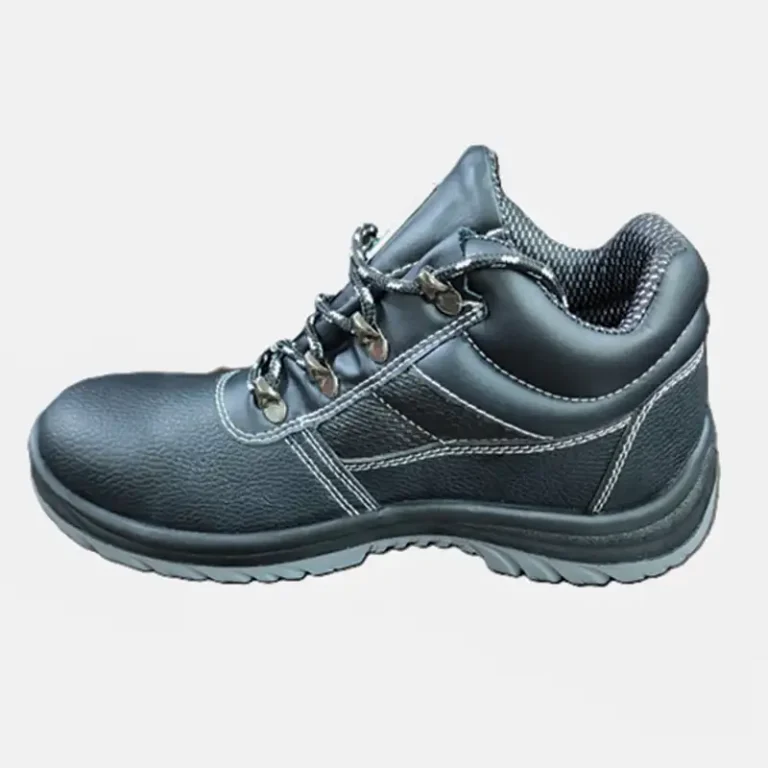
Safety boots are classified based on the primary type of protection they offer. Understanding these distinctions is key to compliance and protection.
1. 🛡️ Protective Toe Footwear (The Impact Shield)
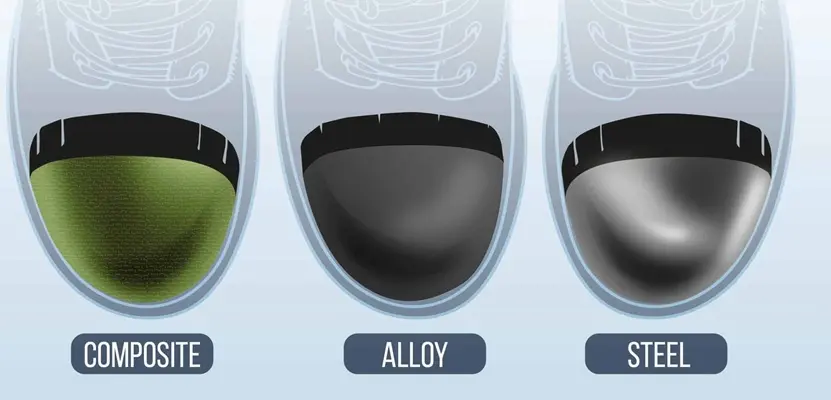
These are essential in environments where heavy objects are handled or where there is a risk of compression injury.
| Type | Key Material & Feature | Recommended Industries |
| Steel Toe | Maximum impact and compression resistance (meets high ASTM standards). | Heavy Construction, Mining, Foundries, Freight Handling. |
| Composite Toe | Non-metallic (fiberglass, carbon fiber). Lighter weight, excellent thermal insulation, non-conductive of electricity. | Electricians, Utility Workers, Facilities with metal detectors (e.g., Airports, Prisons). |
| Aluminum/Alloy Toe | Lighter than steel with similar impact protection capacity. | Logistics, Light Manufacturing, Roles requiring high mobility. |
2. 🔪 Puncture and Penetration Resistant Footwear (Underfoot Protection)
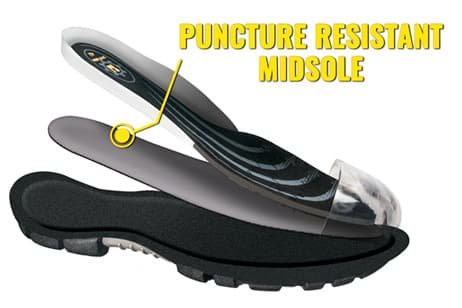
These boots feature a protective layer embedded within the midsole, safeguarding the wearer from sharp objects underfoot.
Feature: Often utilizes a protective plate made of flexible Kevlar or high-grade steel.
Application: Demolition sites, waste management, roofing, and areas with exposed nails or glass fragments.
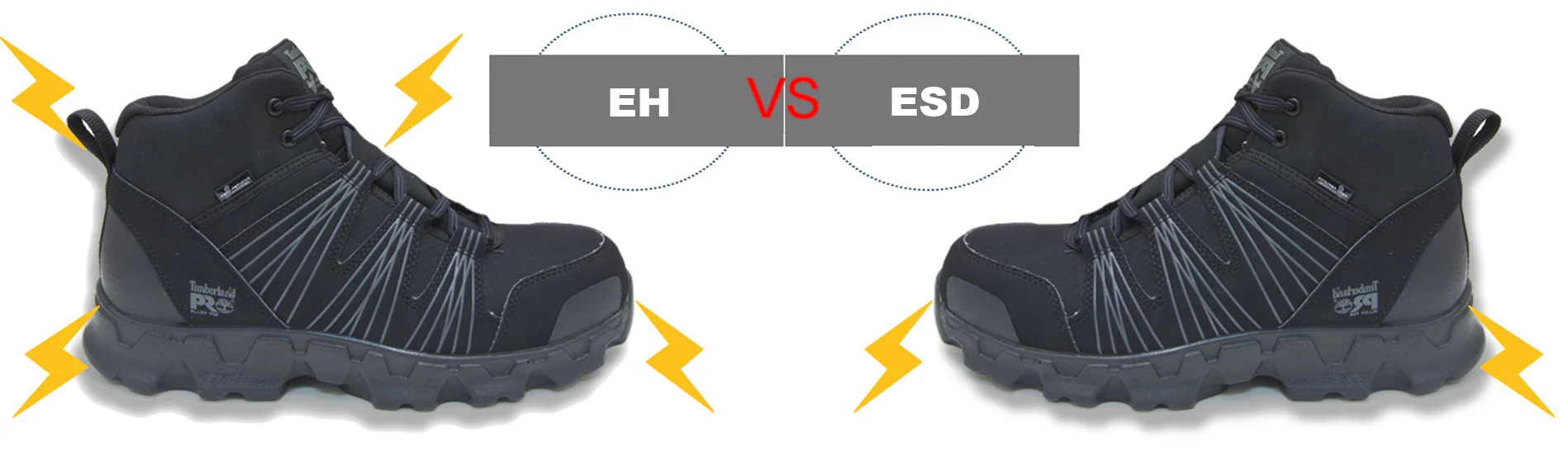
3. ⚡ Electrical Hazard (EH) and Static Dissipative (SD) Footwear
These are critical for managing electricity-related risks:
| Type | Function | Risk Mitigation |
| Electrical Hazard (EH) | Non-conductive outsoles that minimize the flow of electricity to the ground, offering secondary protection against open circuits. | Power generation, High-voltage environments, Electricians. |
| Static Dissipative (SD) | Conducts static charge away from the body to the ground, preventing the buildup of static electricity that could ignite volatile materials. | Electronics manufacturing, Chemical processing, Areas with flammable gases. |
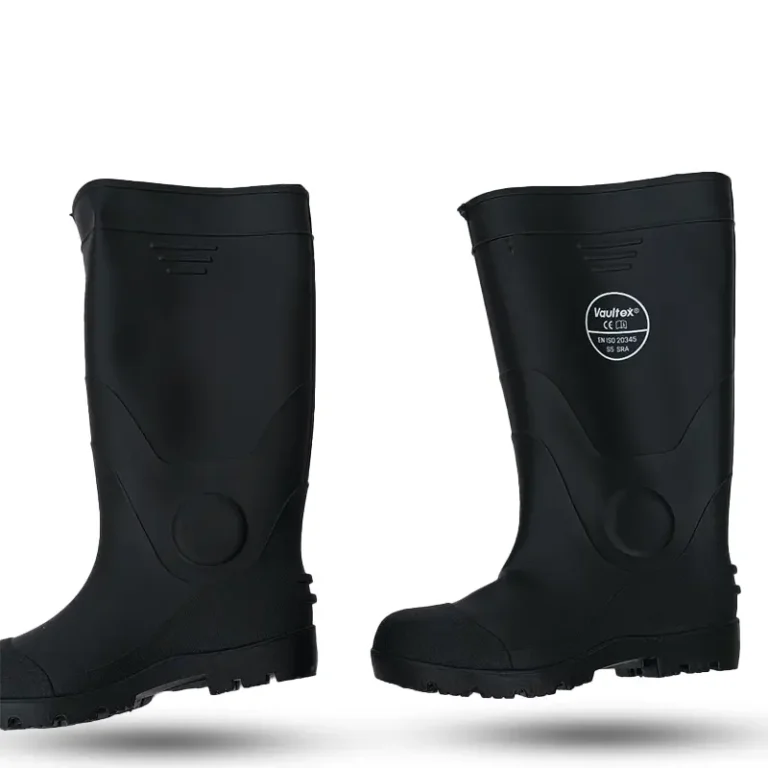
4. 💧 Slip Resistance and Specialty Outsoles
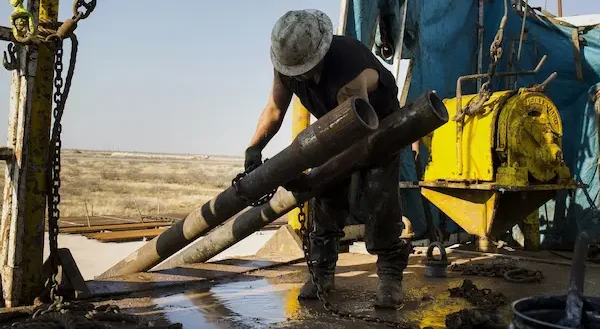
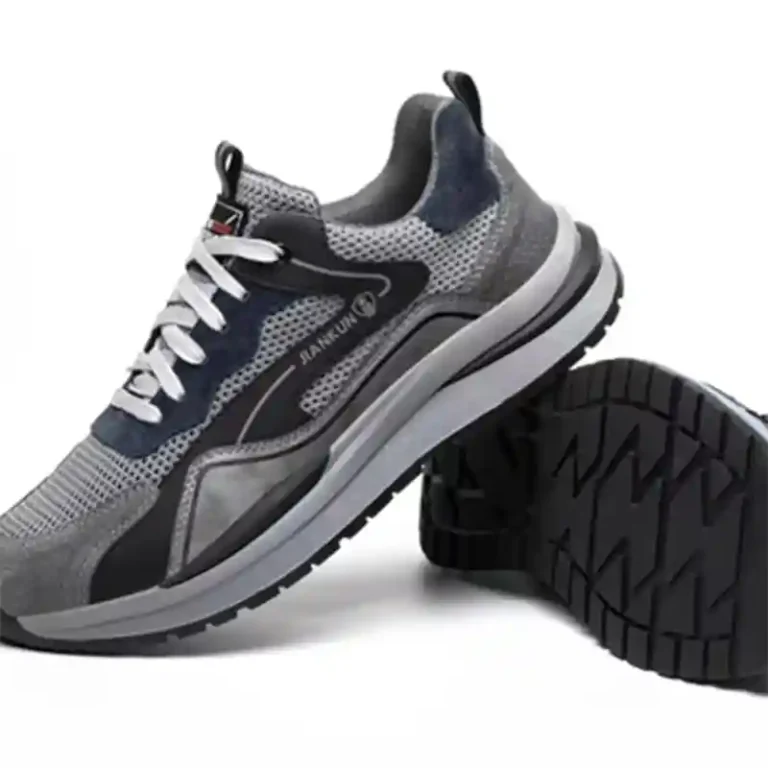
Slip Resistance: Outsoles are engineered with sophisticated tread patterns and durable materials (e.g., specific rubber compounds) to maximize traction on slick surfaces like oil, water, or ice.
Specialty Use: Crucial for commercial kitchens, hospitals, food processing, and maintenance crews.
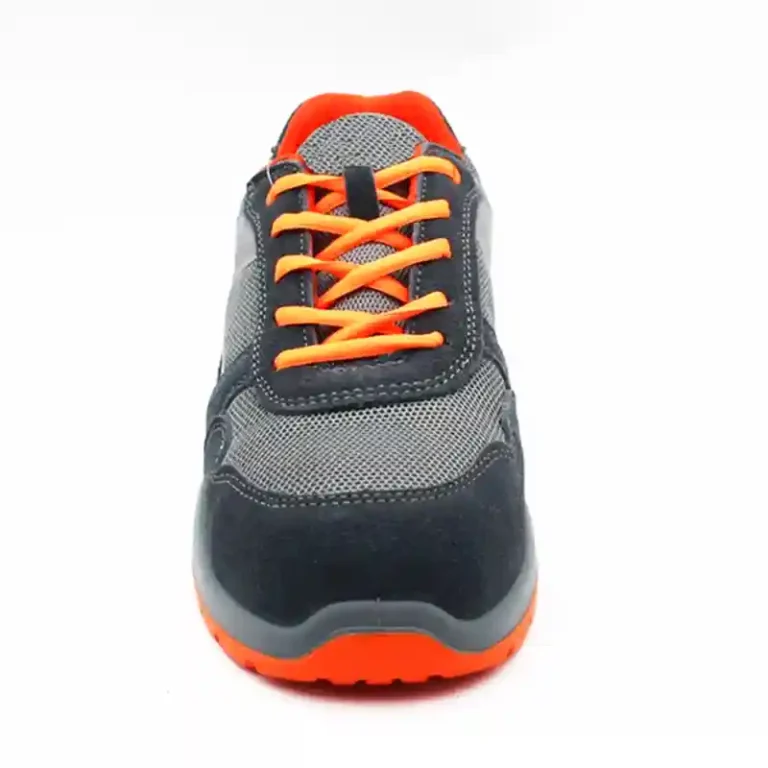
Section II: 🛠️ The 3-Step Professional Selection Protocol
Choosing the correct safety boot is a risk-management decision that requires a systematic approach.
1. Conduct a Thorough Workplace Hazard Assessment
This initial step is the foundation of your decision. You must identify and document the specific risks the workers face:
Impact/Compression Risk: What is the maximum weight and height of potential falling objects?
Underfoot Risk: Is the ground littered with sharp debris, or is it stable?
Environmental Factors: Are there extreme temperatures, exposure to corrosive chemicals, excessive moisture, or electrical current?
Ergonomics/Mobility: Does the job require significant climbing, crouching, or walking long distances (influences the need for lighter composite materials)?
2. Verify Regulatory Compliance and Standards
Professional footwear must meet stringent international and local safety standards. Always confirm the boots bear the relevant markings:
ASTM International (US): Look for the ASTM F2413 certification mark, which specifies performance requirements for safety-toe and protective footwear.
ISO EN 20345 (EU/Global): This standard uses codes like SB, S1, S2, S3 to indicate specific protection levels (e.g., S3 includes closed heel, antistatic properties, energy absorption, fuel oil resistance, and water resistance).
3. Prioritize Fit, Comfort, and Longevity
A properly fitted boot is a safe boot. Ill-fitting footwear leads to fatigue, trips, and reduced productivity.
Ergonomic Fit: Ensure adequate toe box room (especially for steel toes), proper arch support, and comfortable ankle/metatarsal support.
Breathability: Select materials that wick away moisture (e.g., Gore-Tex linings) to maintain foot hygiene and reduce the risk of fungal infections.
Durability: Check the construction quality of the sole attachment (e.g., Goodyear welt vs. Cement construction) to ensure the boot can withstand the harsh environment for its intended lifecycle.
Conclusion
Safety footwear transcends basic clothing—it is a critical piece of engineering designed to protect the most load-bearing part of the human body. By diligently performing a hazard assessment and selecting a boot that meets professional safety standards and ergonomic requirements, you ensure compliance, minimize liabilities, and safeguard the well-being of your workforce.

